

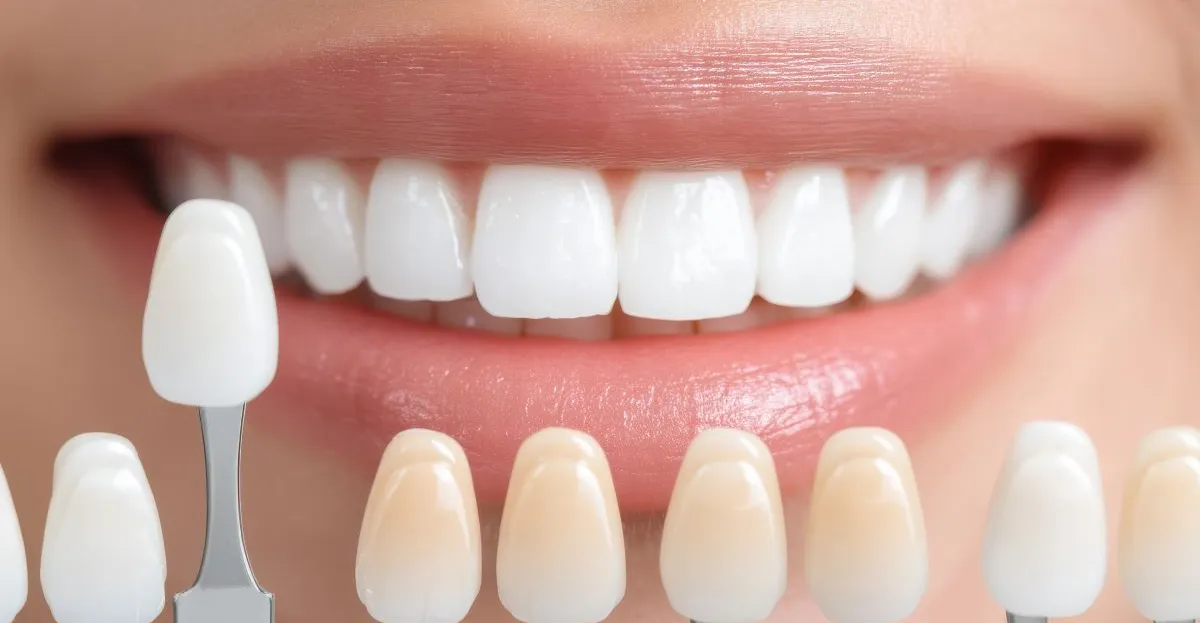
Veneers and dental bonding are both effective solutions for repairing chipped teeth and improving a discolored tooth. Veneers offer long-lasting, highly aesthetic results, while dental bonding is a quicker and more affordable option for minor imperfections. The best choice depends on your cosmetic goals, budget, and the condition of your teeth.
Understanding Veneers and Dental Bonding
When it comes to improving your smile, veneers and dental bonding are two of the most popular cosmetic dentistry treatments. Both can address chipped teeth, discoloration, and minor imperfections, but they differ in materials, durability, and overall results.
Choosing between veneers and dental bonding starts with understanding how each treatment works and what it’s designed to correct.
What Are Veneers?
Veneers are thin, custom-made shells—usually made of porcelain—that are bonded to the front surface of your teeth. They are designed to enhance the appearance of your smile by correcting issues like chipped teeth, gaps, and discoloration.
Benefits of Veneers
Veneers are known for their durability and natural-looking results. They are highly resistant to staining, making them an excellent option for patients with a discolored tooth that doesn’t respond well to whitening treatments.
They also provide a more comprehensive transformation, allowing patients to achieve a uniform, bright smile. With proper care, veneers can last 10–15 years or longer.
Considerations for Veneers
Getting veneers typically requires removing a small amount of enamel to ensure a proper fit. This makes the procedure irreversible. Veneers also tend to be more expensive than dental bonding, but they offer longer-lasting results.
What Is Dental Bonding?
Dental bonding involves applying a tooth-colored composite resin to the surface of a tooth to repair damage or improve its appearance. It is a versatile and minimally invasive treatment often used for chipped teeth and minor cosmetic concerns.
Benefits of Dental Bonding
Dental bonding is a quick and cost-effective option. In many cases, it can be completed in a single visit without the need for anesthesia. It’s ideal for small chips, minor gaps, or slight discoloration.
Because bonding requires little to no enamel removal, it is considered a more conservative treatment compared to veneers.
Considerations for Dental Bonding
While bonding is effective, it is not as durable as veneers. The material is more prone to staining and may need to be touched up or replaced every few years. It’s best suited for patients looking for a short- to medium-term solution.
Veneers vs. Bonding: Key Differences
Understanding the differences between veneers and dental bonding can help you make an informed decision.
Durability and Longevity
Veneers are more durable and can last over a decade with proper care. Dental bonding, while effective, typically lasts 3–7 years before needing maintenance or replacement.
Appearance
Both options can improve the look of chipped teeth and a discolored tooth, but veneers generally provide a more natural, lifelike appearance. They reflect light similarly to natural enamel and resist staining better than bonding material.
Cost
Dental bonding is more affordable upfront, making it a popular choice for patients on a budget. Veneers require a higher initial investment but may be more cost-effective over time due to their longevity.
Treatment Time
Bonding can often be completed in a single appointment, while veneers usually require multiple visits, including preparation and placement.
Which Option Is Best for You?
The choice between veneers and dental bonding depends on your specific needs and goals.
When Veneers May Be the Better Choice
Veneers are ideal for patients looking for a long-term solution and a complete smile transformation. They are especially beneficial for multiple chipped teeth or significant discoloration that cannot be corrected with whitening.
When Dental Bonding May Be the Better Choice
Dental bonding is a great option for minor cosmetic concerns, such as small chips or slight discoloration. It’s also a good choice for patients who want a quicker, more affordable solution without committing to a permanent change.
Maintaining Your Results
Regardless of whether you choose veneers or dental bonding, maintaining good oral hygiene is essential. Brushing twice daily, flossing regularly, and attending routine dental checkups will help preserve your results.
Avoiding habits like biting on hard objects or using your teeth as tools can also help extend the life of your cosmetic treatment.
Restore Your Smile with Confidence
Both veneers and dental bonding offer effective ways to restore chipped teeth and improve the appearance of a discolored tooth. Each option has its own advantages, and the right choice depends on your individual goals, lifestyle, and budget.
Making a consultation appointment is the best way to determine which treatment is right for you. With the right approach, you can achieve a healthier, more confident smile that lasts.